Enhance Sales: Personalized Multi-Channel E-Commerce Insights Services
In the contemporary digital landscape, enterprises face escalating demands to know their audiences. Personalized omnichannel e-commerce analytics platforms deliver a remedy. By merging data from multiple platforms, businesses can reveal patterns about consumer behavior. This awareness is vital for creating powerful marketing strategies. Yet, the road to rolling out these analytics is intricate and calls for careful thought. Which factors should companies emphasize to assure positive outcomes?
Learning Unified E-Commerce Analytics
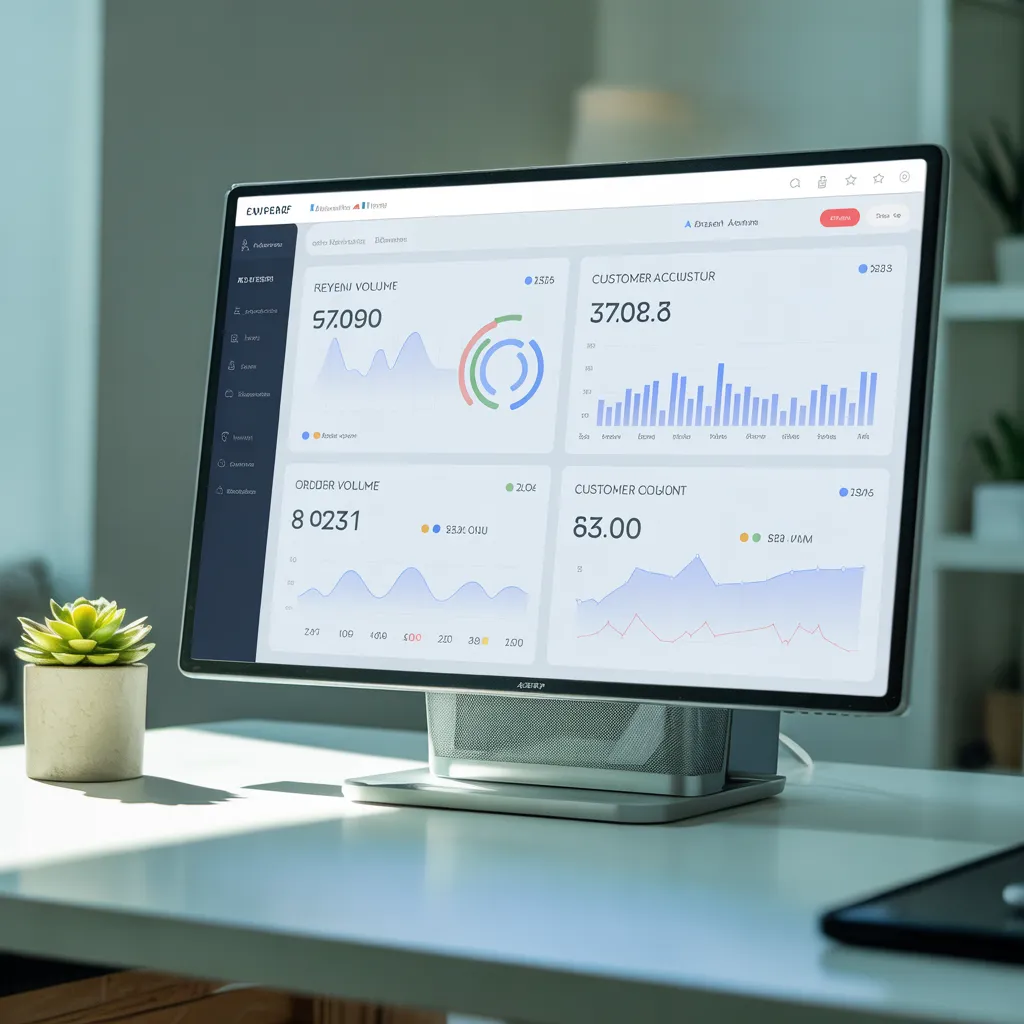
In the current competitive landscape, nearly 73% of customers engage with multiple channels before making a purchase. Multi-channel e-commerce analytics involves the approaches and tools that record consumer interactions across several platforms, such as online stores, social media, and email marketing. By aggregating data from these diverse channels, businesses gain a holistic view of customer behavior, preferences, and purchasing patterns. This analytics approach allows for better understanding of how each channel contributes to the overall customer journey. Additionally, it enables companies to identify trends, optimize marketing strategies, and allocate resources effectively. As consumers increasingly navigate between different touchpoints, the need for thorough analytics becomes paramount. Understanding these dynamics is key for businesses working to improve customer experiences and raise engagement. Ultimately, effective multi-channel e-commerce analytics can provide the insights needed to adapt to changing consumer behaviors and market demands.
Advantages of Multi-Channel E-Commerce Metrics for Your Business
Leveraging integrated retail intelligence platforms can substantially boost a enterprise's skill in grasping and adapting to customer behavior. By merging insights from different sources, organizations gain thorough insights into customer preferences and purchasing patterns. This insight permits organizations to fine-tune their advertising methods successfully, focusing on particular customer groups through personalized promotions.
Furthermore, multi-channel analytics can identify the most profitable sales channels, enabling companies to distribute assets more effectively. This refinement can lead to increased conversion rates and improved client loyalty. Additionally, businesses can monitor results in real-time, enabling for swift modifications to marketing campaigns based on data-driven insights.
With superior analytical capabilities, companies can stay competitive in a crowded market. Ultimately, the benefits of cross-platform commerce data analysis not only refine business processes but also strengthen customer bonds with customers, establishing the foundation for enduring prosperity and revenue gains.
Fundamental Metrics for Impactful Unified Channel Analytics
Reliable multi-channel analytics relies on a set of essential metrics to gauge performance across various platforms. Key Performance Indicators, channel-specific metrics, and conversion assessment are essential for understanding how each channel impacts overall business success. By monitoring these indicators, businesses can make informed decisions to streamline their e-commerce strategies.
Primary Performance Indicators
While overseeing the intricacies of multi-channel e-commerce, companies must identify and monitor KPIs (KPIs) to guarantee peak performance. KPIs function as essential benchmarks that help evaluate various aspects of e-commerce operations. Indicators such as conversion rates, average order value, and customer acquisition cost offer understanding into sales effectiveness and marketing efficiency. Additionally, tracking customer lifetime value and return on investment (ROI) helps in evaluating long-term profitability. Monitoring these KPIs allows businesses to spot patterns, optimize campaigns, and enhance customer interactions. By concentrating on these key metrics, companies can take data-driven decisions, ensuring sustained growth and better results across all channels. In the end, a comprehensive grasp of KPIs is essential for multi-channel e-commerce achievement.
Distinct Channel Metrics
To optimize omnichannel e-commerce strategies, companies must focus on platform-tailored metrics that deliver targeted insights into each sales platform. These metrics include sales volume, average order value, and customer acquisition costs specific to each channel, allowing companies to assess performance accurately. Additionally, monitoring engagement rates on social media or email campaigns can uncover which channels resonate most with customers. Understanding return rates and customer feedback for each platform helps identify areas for improvement. By copyrightining these platform-distinct metrics, businesses can tailor their marketing efforts, distribute resources effectively, and enhance customer experiences. Ultimately, this strategic approach promotes informed decision-making, driving better results across diverse e-commerce channels.
Conversion Rate Assessment
Conversion rate analysis functions as a vital component of multi-channel e-commerce analytics, providing insights into how well each channel transforms browsers into buyers. By copyrightining the percentage of users who complete a desired action, businesses can recognize strengths and weaknesses across different platforms. This analysis enables the evaluation of various factors, such as user experience, marketing effectiveness, and product appeal. Additionally, contrasting conversion rates among channels can underscore which platforms generate the highest returns, guiding resource allocation and strategic focus. Implementing targeted improvements based on this data can significantly improve overall performance. Ultimately, conversion rate analysis empowers e-commerce businesses to optimize their strategies, guaranteeing they meet customer needs effectively and drive sales growth.
Select the Leading Data Analysis Platforms for Your Requirements
Finding the appropriate analytics tools involves pinpointing key performance indicators that correspond to company objectives. Assessing integration options is important to ensure uninterrupted information movement throughout applications. This deliberate selection process enables digital commerce companies to apply data productively.
Identify Key Performance Indicators
Identifying key performance indicators find here (KPIs) is vital for any e-commerce business seeking to enhance its results and propel growth. KPIs serve as quantifiable metrics that assess the impact of different business strategies. Standard KPIs feature conversion rates, average order value, customer acquisition cost, and cart abandonment rates. Choosing the right KPIs enables businesses to concentrate on key regions for development, making certain that resources are allocated efficiently. Additionally, aligning KPIs with business objectives is essential, as it provides an clear framework for measuring success. Consistently tracking these indicators allows e-commerce companies to make informed decisions, modify strategies, and ultimately enhance customer satisfaction and profitability. By focusing on pertinent KPIs, businesses can greatly improve their analytical capabilities and operational efficiency.
Assess Tool Integration Options
Evaluating integration choices for tools is vital for online retailers aiming to leverage analytics effectively. Selecting the appropriate analytics solutions can significantly improve data-driven decision-making and optimize workflows. Businesses should consider alignment with current systems, ease of use, and the depth of insights provided. Popular tools like Google Analytics, Adobe Analytics, and Shopify Analytics provide multiple functionalities customized for specific requirements. Additionally, connectivity options with CRM systems, email marketing platforms, and social platforms are essential for a holistic view of how customers act. By copyrightining these elements, e-commerce businesses can guarantee they implement solutions that not only fit their current requirements but also scale as they grow, in the end boosting revenue and improving customer engagement.
What's the Best Way to Implement Your Data Analysis Strategy?
To effectively implement an data analysis plan, companies must first create clear objectives that align with their broader business objectives. This foundational step guarantees that every analytic effort serves a particular objective, whether it's boosting revenue, improving customer retention, or refining promotional strategies.
After objectives are defined, the ensuing stage demands selecting appropriate tools and platforms that allow for data capture and copyrightination. Organizations should champion straightforward tools that integrate seamlessly with preexisting infrastructure.
Educating staff on these tools is important for effective data interpretation and choice-making. Frequently assessing analytics performance against the established objectives allows organizations to refine their plans as necessary.
Furthermore, building a data-driven environment within the organization encourages all team members to utilize insights in their decision-making processes. By maintaining open communication and collaboration across departments, businesses can improve the overall efficiency of their data approach, leading to more well-founded choices and improved outcomes.
Achievement Stories: Analytics in Action
Several enterprises have successfully restructured their operations through the effective use of data analytics, highlighting the impact of decisions based on data insights. For instance, a medium-sized fashion retailer utilized advanced analytics to track customer behavior across various platforms. By recognizing buying trends and customer preferences, the retailer improved its stock levels, decreasing excess stock by 30% and boosting sales by 20% within six months.
In the same way, an online electronics store deployed live data analysis to improve its marketing strategies. By copyrightining user interaction, the store customized email campaigns, resulting in a 25% rise in CTR and a significant improvement in conversions.
These case studies illustrate how tailored e-commerce analytics services can drive significant gains in revenue and business performance. By leveraging data effectively, businesses not only improve customer experiences but also gain a competitive edge in the rapidly evolving online commerce space. The strategic application of data analysis proves essential for sustainable growth.
Regularly Asked Queries
How Much Do Customized Analytics Services Usually Cost?
Bespoke analytical services typically fall within $500 to $5,000 per month, determined by the complexity and extent of the services provided. Aspects including quantity of data and needed insights further shape pricing significantly.
How Do I Select the Right Data Analysis Provider?
To pick the suitable analytics partner, one should assess expertise, industry track record, credibility, and service offerings. Additionally, studying client testimonials and confirming compatibility with unique business needs are essential for making an educated decision.
Which Verticals Benefit the Most From Multi-Channel Reporting?
Retail, hospitality, and consumer goods industries benefit most from multi-channel analytics. These industries utilize data to enhance customer engagement, optimize inventory management, and improve overall sales strategies, fostering expansion through data-driven choices across various platforms.
How frequently Should I review My analytical information?
Analyzing analytical information regularly every week or month is recommended. This frequency assists companies to discover patterns, institute rapid updates, and perfect strategies effectively, preserving their sensitivity to shifting customer conduct and economic conditions.
Will Analytical Platforms Be Compatible With Already Installed Systems?
Yes, analytics solutions can work with existing systems. Many platforms feature APIs or built-in connectors, permitting seamless data exchange and boosting operational efficiency. This integration facilitates thorough insights, encouraging informed strategic decisions across various business functions.